Portofino and Camogli, Italy

I was over in Italy working on a project for a couple weeks back in May.  For the most part I was based in Bologna, where unseasonably bad weather brought rain and gloom nearly every day.  Luckily I was working inside most the time, so it wasn’t too bad, but it meant that any free time I had wasn’t very conductive for photography.

I did have some free time and ended up on the Italian Riviera for a few days, where the weather was a bit more cooperative.

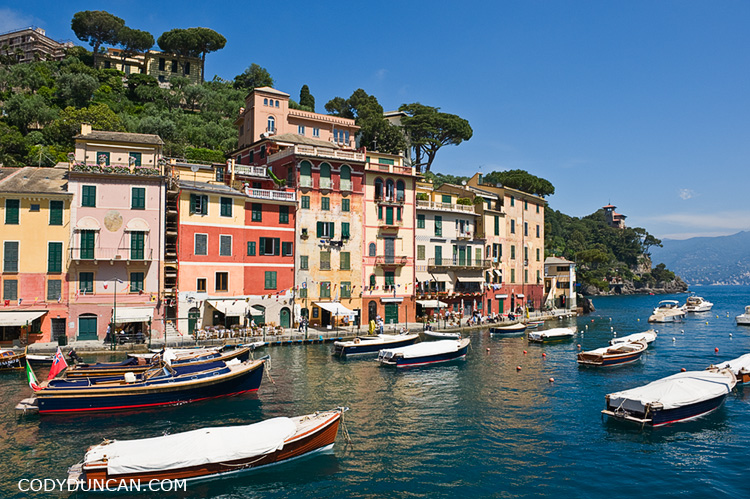
Scenic harbor and waterfront, Portofino, Liguria, Italy

Scenic little harbor in the town of Portofino, at the end of the road on a tiny peninsula.  The town is a little north of the more popular Cinque Terre region, so it is much less crowded while still pretty nice.

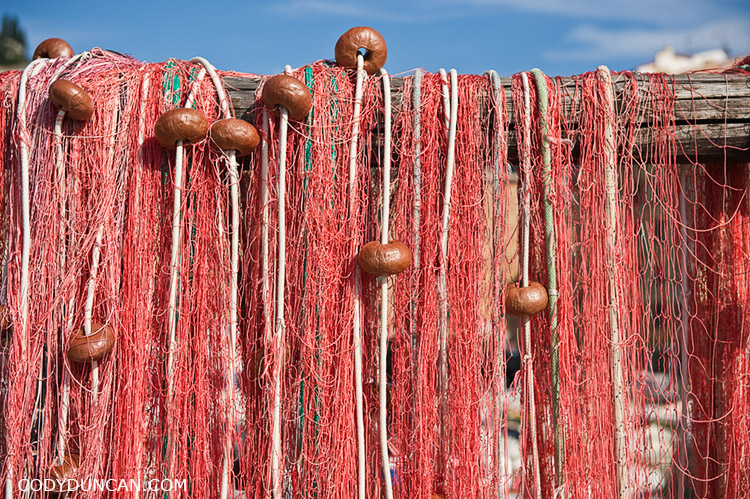
Fishing net hangs to dry in harbour, Camogli, Liguria, Italy

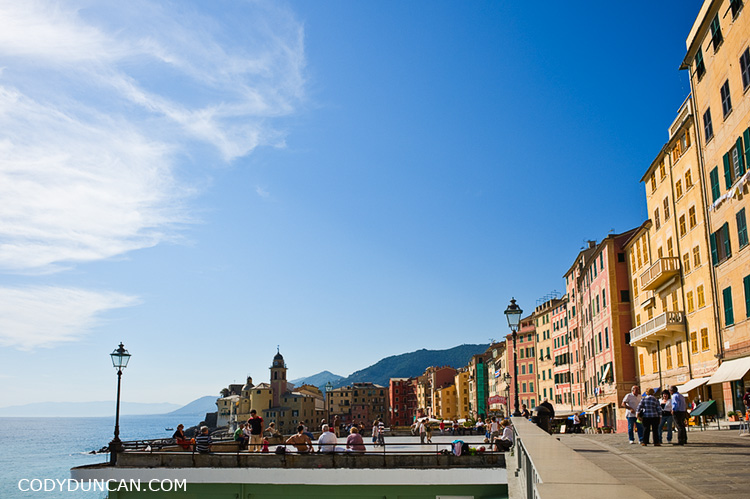
Coastal walkway and buildings, Camogli, Liguria, Italy

Camogli, another nice little town.

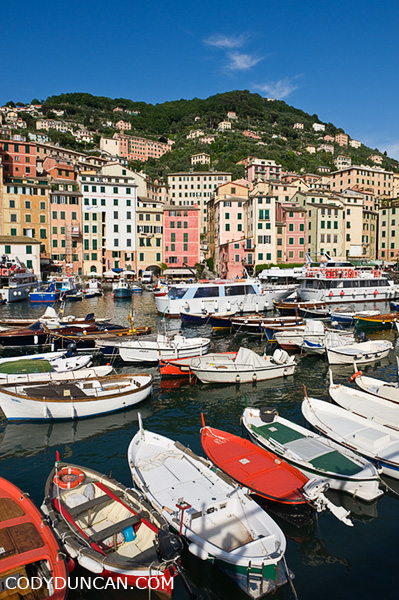
Camogli, Ligura, Italy

Harbor and hillside houses in Camogli.

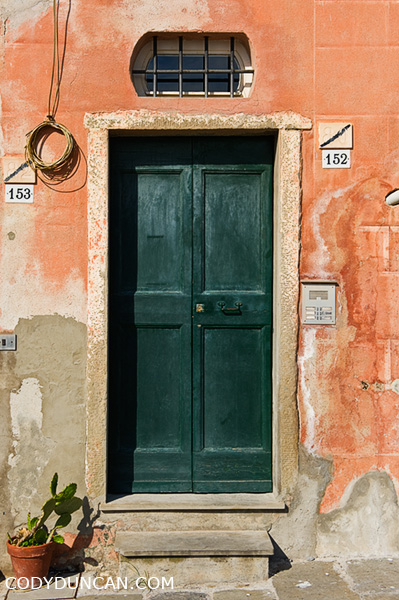
Detail of old door, Camogli, Liguria, Italy


Italy – Images by Cody Duncan

Hiking the Kungsleden Trail in Autumn

Hiking the Kungsleden trail in autumn.
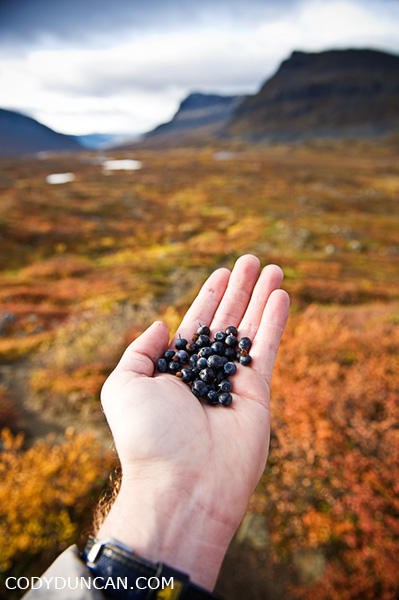
wild blueberries, autumn, Kungsleden trail, Sweden

I hiked solo on the northern section of the trail for 10 days from September 16-26 2009.  Here are a few FAQs and bits of info that may be useful to any travelers heading to the area at this time of year.

All the huts/Fjällstations/hostels along the trail are run by the STF (Svenska Turistföreningen) Swedish Tourist Association.

The STF website can be found here.

The Website will have all current info on opening/closing dates of the mountain huts, as well as some maps and other info such as services provided at each hut (ie. show up to Alesjaure a bit early and relax in the sauna)
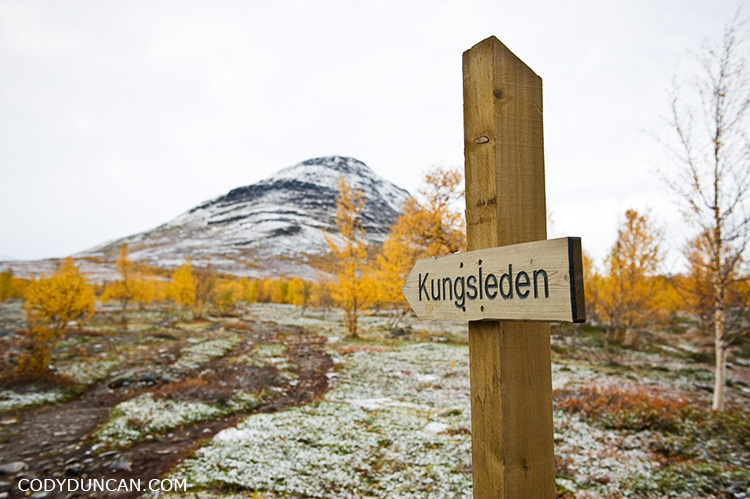
sign kungsleden trail sweden

The Huts are closed:

The huts close towards the end of September (19/9/2010).  What this means is that there will be no staff on hand, no food can be purchased, and the gas stoves will be turned off.

At least on the northern section of the trail, between Singi and Abiskojaure, all of the huts have an ‘emergency’ room (säkerhetsrum) that can be used.  These rooms vary in size and the number of beds available:

Abiskojaure – 2 beds
Alesjaure – 4 beds
Tjäktja – 2 beds
Sälka – 9 beds (big, pretty much a full size hut)
Singi – 1 bed (enough room for 2 people on floor)

Access to the wood shed, a saw and axe should be available (though I couldn’t find a saw at Alesjaure) and all the shelters have wood burning stoves which provide plenty of heat after a cold, wet day on the trail.  Water buckets for fetching fresh water, cooking and cleaning supplies are also provided.  One or two toilets will also be left unlocked.   There might be a small amount of leftover food available, but don’t depend on it.  Be sure to bring enough for the entire trip.
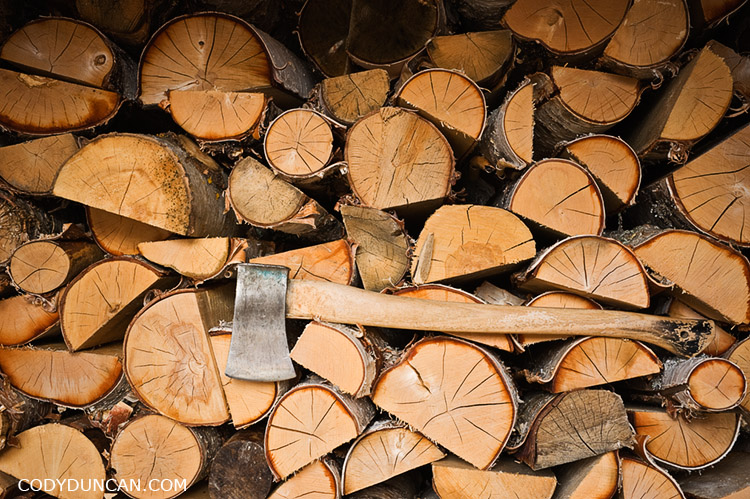
Axe and wood in Shed at hut, Kungsleden trail, Lapland, Sweden

Besides the proper STF huts, there are also several primitive shelters at several points along the trail.  These typically consisted of a single room with wooden benches along one or two walls.  Some have wood burning stoves, yet by the end of the season, there was no more wood available.  Still, if the weather is bad, better to be inside and out of the wind, even if a little cold.

Weather:
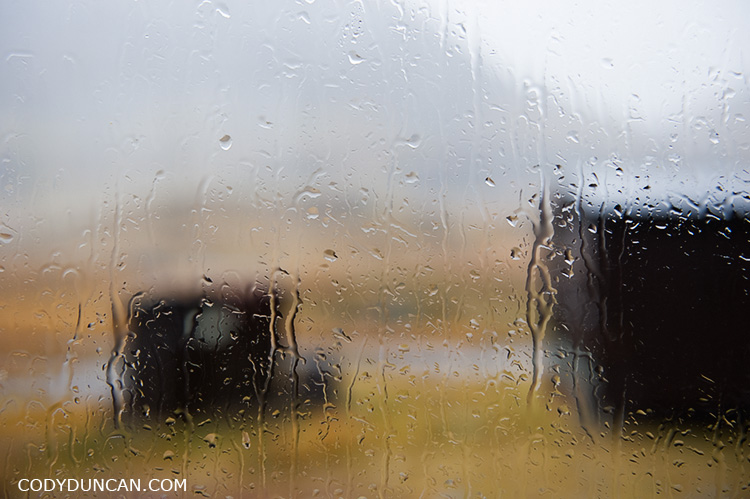
View of rainy window at Salka hut, Kungsleden trail, Lapland, Sweden

My experience from September 2009 was of predominately cold weather and strong winds.  Snow fell on several days and rain on the rest, so most of the snow that fell would be gone from the trail by the next day or two.  The temperature dropped down to about -8˚ C  on the coldest morning.  While the average day was about 3-5˚ C.   7˚ C was the warmest day I experienced.  From talking to others I seemed to get the impression that this was an unusually cold September, but one should be prepared for such conditions.  It is the Arctic and any weather is possible.
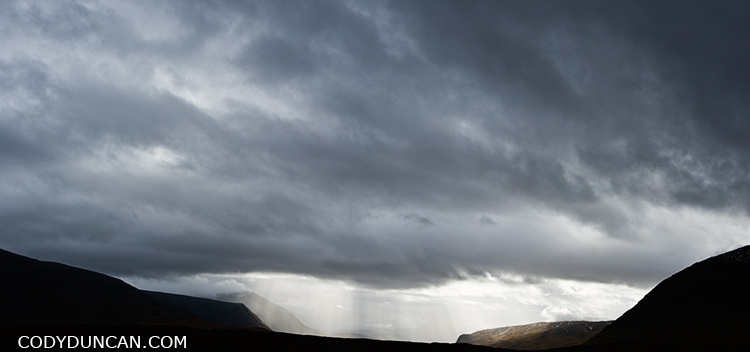
Kungsleden trail autumn rain storm sweden

Will I be alone?

Though the crowds of summer will be gone, one will not likely be totally alone on the trail.  With the exception of one night at Singi, there was always one or more people at the hut each night and I would cross 1 or 2 groups on the trail each day heading in the opposite direction.

Transport:

The Kiruna-Nikkaluokta-Kiruna bus to the trailhead of Kebnekaise Fjällstation stopped running when the huts closed, which would be 19th Sept for 2010.  There was a private taxi available, but for quite a fee.  So if one is starting late in the season, it might be better to enter the trail at Nikkaluokta and head north to Abisko as opposed to the other way around – Which is what I did and ended up walking all the way back to Abisko again.

Access into and out of Abisko is not a problem, as the train runs year round. The Abisko Turiststation hostel closes on 26th of Sept, 2010, though there are several other  possibilities for cheap accommodation in Abisko village, or just simply camp a little ways out of town.

The trail:
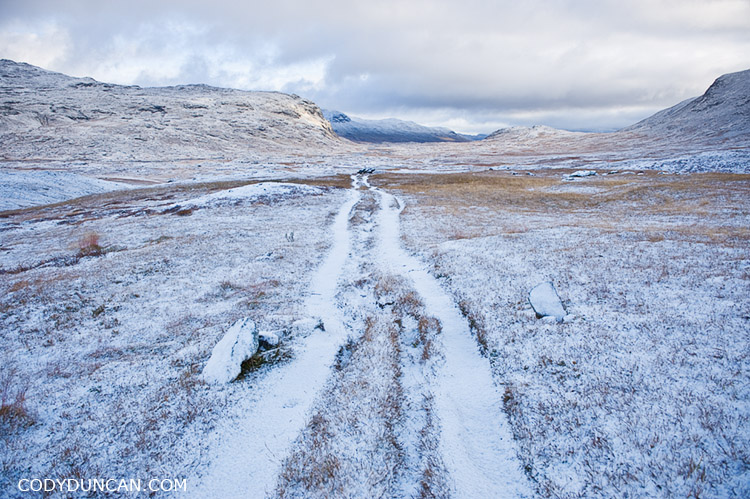
kungsleden trail Sweden september autumn snow

Even under 10-15cm of snow, the trail was alway easy to follow.  The high point, Tjaktja pass, is rocky on the north side and without a proper ‘path.‘  It could be a bit tricky as the rocks are quite slippery and hard to see under a medium amount snow, though it is not a long distance between the pass and Tjaktja hut.  The trail itself, as long as one has a map and knows how to navigate, would be hard to lose as it basically follows a series of valleys north to south.  And there are a series of markers for the winter trail that are easily visible, though these do not always follow the proper summer route.
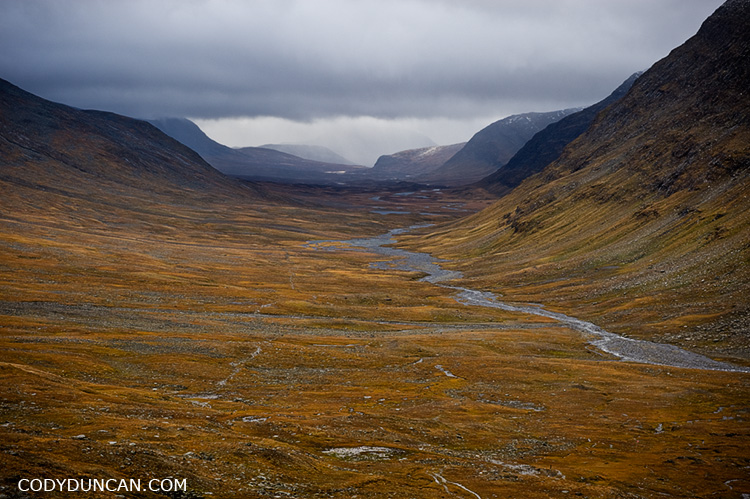
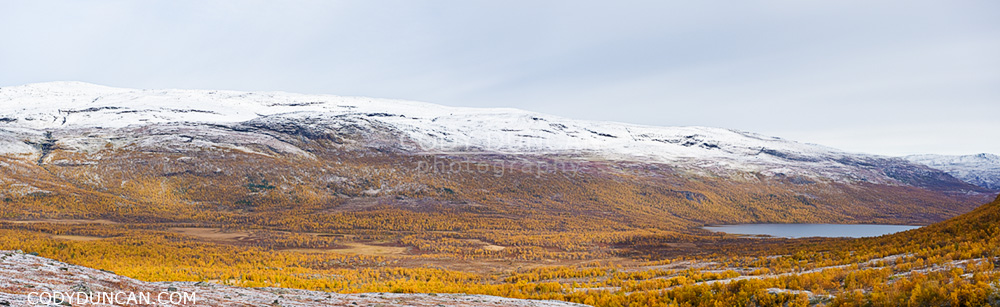
kungsleden trail Sweden Tjaktja pass

kungsleden abisko national park sweden

Why go in the autumn and not summer?

No mosquitos.
No crowds.
The color is amazing.
You like the cold.
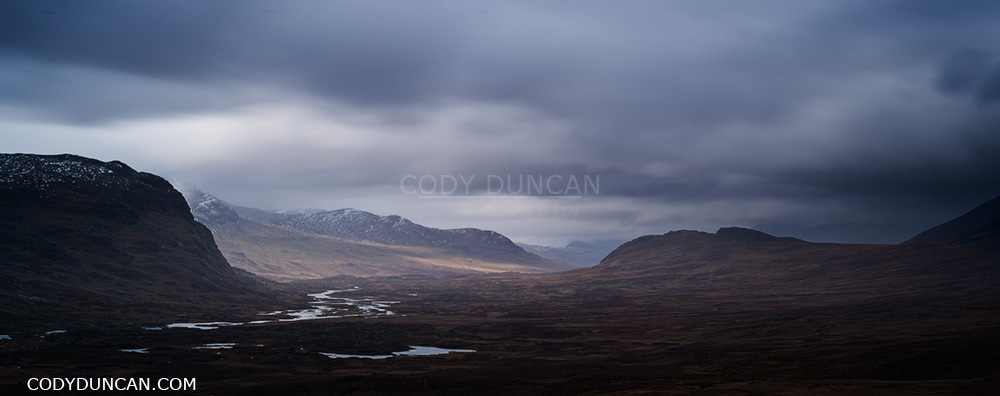
Kungsleden trail sweden mountain landscape

Henningsvær – Lofoten Islands

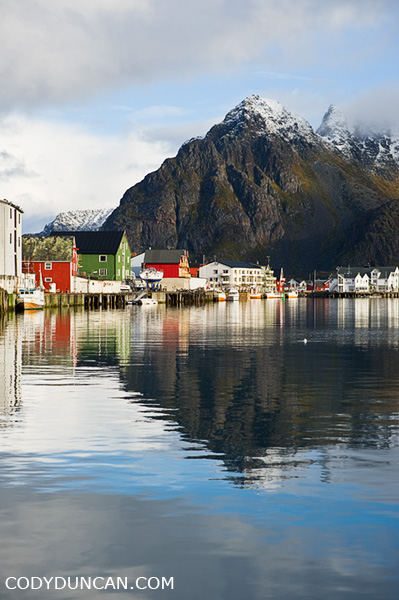
Travel photography, Henningsvaer, Lofoten Islands, Norway

Harbor reflection at Henningsvær, Lofoten Islands, Norway.  I think it’s with good reason Henningsvaer is nicknamed the ‘Venice of the North.’

Å I Lofoten – Lofoten Islands winter

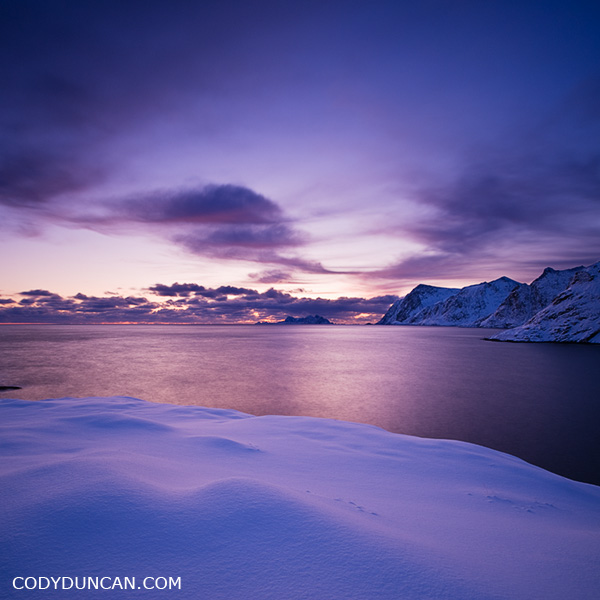
A I Lofoten in winter, Lofoten Islands, Norway

Winter view from Å (I Lofoten) towards the southern end of the islands.  The peaks of Værøy can be seen in the far distance.  This was the 6th of January, the first day the sun rose above the horizon since the middle of December.

Loch Brittle – Isle of Skye

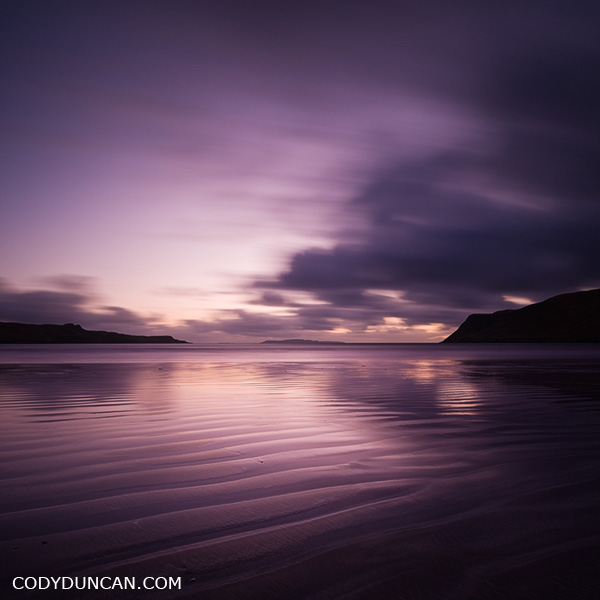
Loch Brittle, Glenbrittle, Isle of Skye, Scotland

Last light and low tide at Loch Brittle, Glenbrittle, Isle of Skye, Scotland.

Another photo from Glenbrittle, this time down on the beach.  Though opening of the Loch faces southwest, the low setting November sun actually makes it quite a good location for sunsets, while in Summer, the sun sets too far to the north for any direct light.

Reine – Lofoten Islands

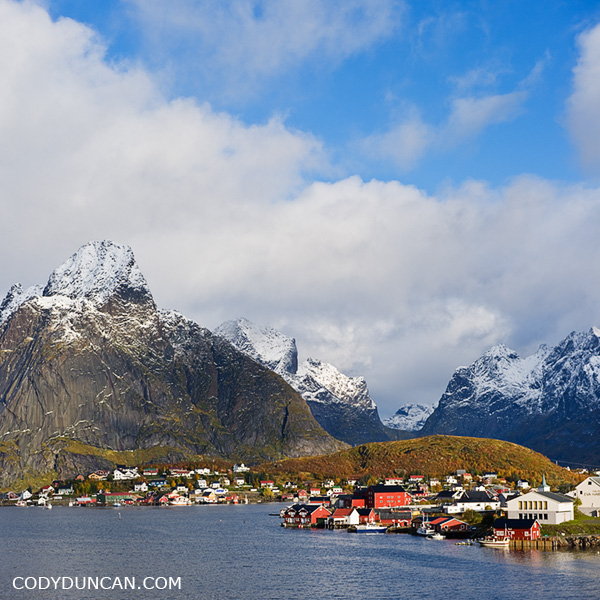
Landscape photo Reine in Autumn, Lofoten Islands, Norway

Autumn, Reine, Lofoten Islands, Norway.

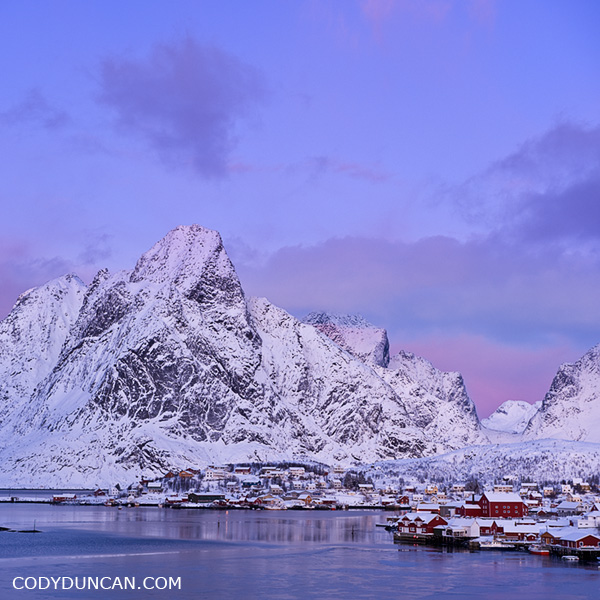
What a difference two months make can make to a scence.   The Lofoten Islands have become somewhat of a long term project of mine.  I was there 3 times in the last year alone and have a rough plan to be back again in July, as I haven’t been there during summer since 2006, so I need some better coverage of the islands during that time of year.  So far I’ve been there in: January, March, April, May, July, August, September, and October.  So I’ve still got a few months to fill in.  And one might think what difference does a month or two really make, but with a place in the far north, there are quite dramatic changes in scenery as the year passes on and I think all of it is interesting to see.

Reine in Winter, Lofoten Islands, Norway

Reine in Winter, Lofoten Islands, Norway.

Glenbrittle and Black Cuillins

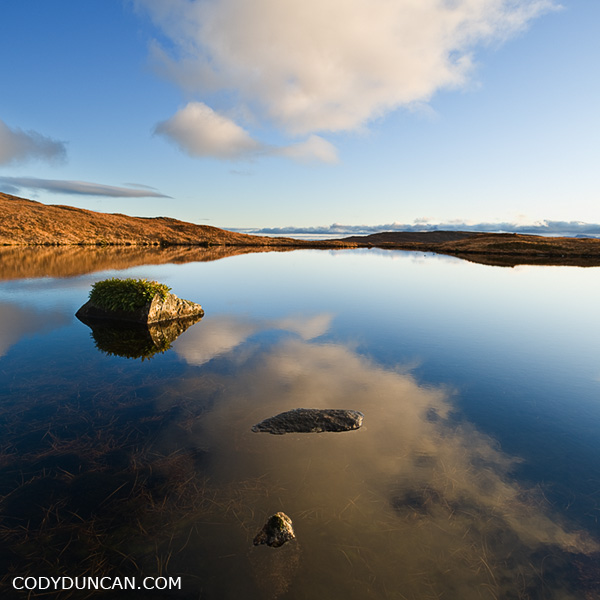
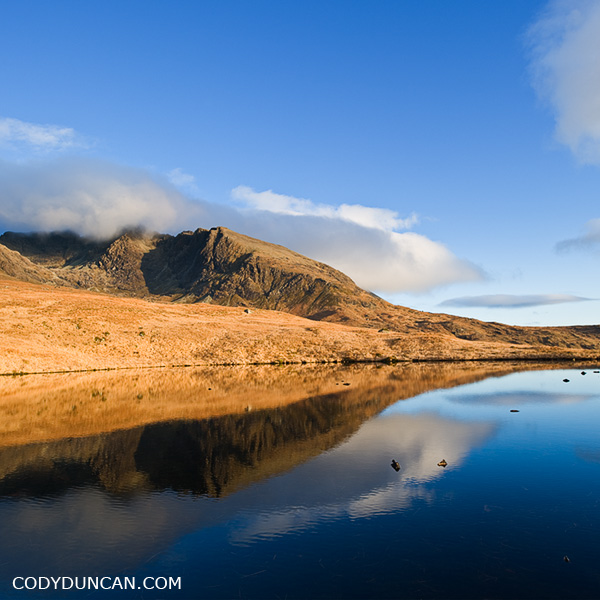
Reflection in lochan, Black Cuillin hills, Glenbrittle, Isle of Skye, Scotland

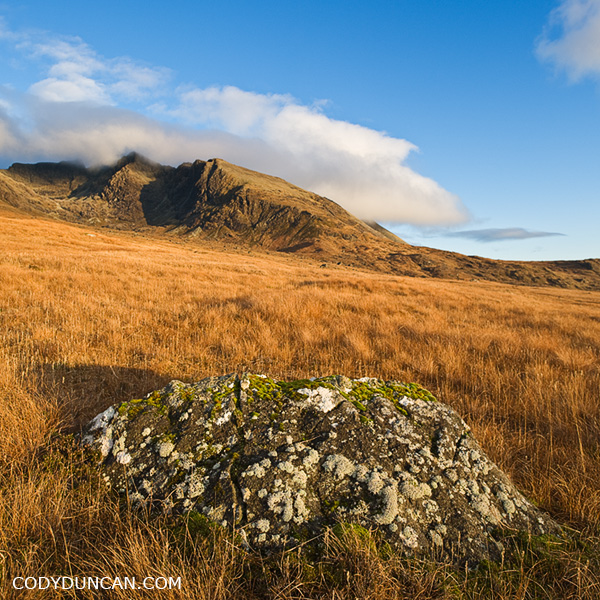
Pleasant autumn afternoon wandering around down in Glenbrittle, Isle of Skye, Scotland.  Glenbrittle is probably one of my favorite places on the island, both the the view and access to the Black Cuillins as well as the coastal hiking.  This was generally my go to spot whenever I thought the sun would shine for more than a few hours – which isn’t all that often in November.

Black Cuillin hills as seen from Glenbrittle, Isle of Skye, Scotland

Reflection in lochan, Black Cuillin hills, Glenbrittle, Isle of Skye, Scotland

Stockholm

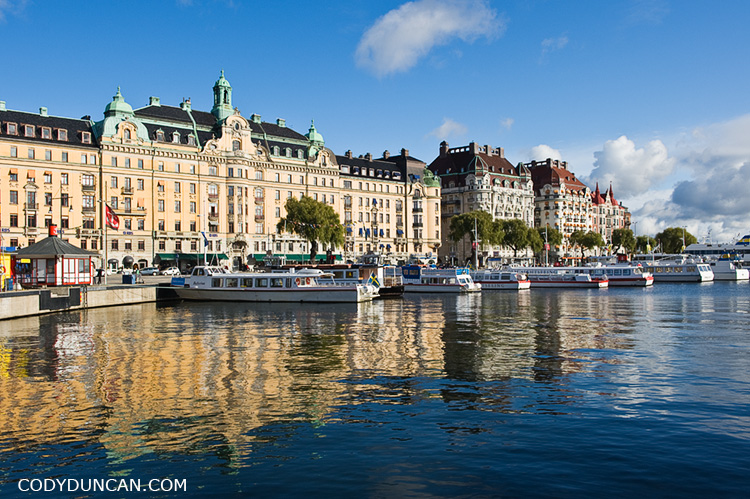
Sightseeing boats along waterfront, Stockholm, Sweden

I feared Stockholm, as I did all ‘big’ cities back then.  It was the summer of 2001 and my buddy Joe and I were on a 2 1/2 month trip though Scandinavia.  We had good plan, yes we did.  Arrive at Arlanda airport, put our backpacks on and walk out into the forest, heading north for several weeks.  Visit a couple rune stones, drink from rivers and lakes, make a nice little camp fire each night and visit a town or village once every week or so to resupply on food.
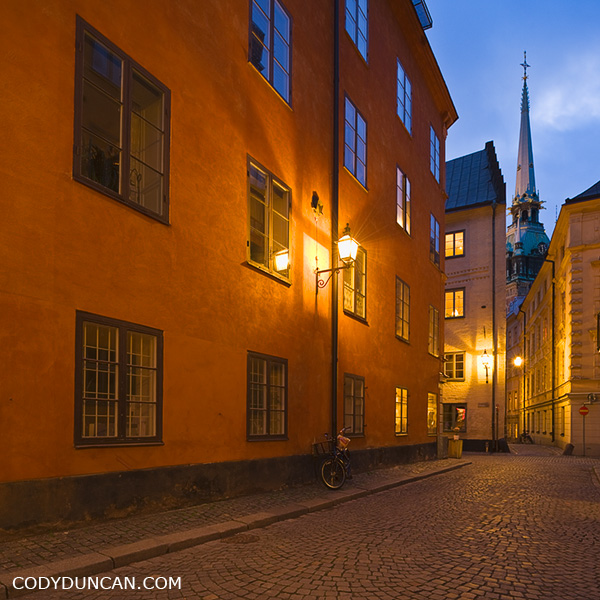
Cobble stone street of old town - gamla stan, Stockholm, Sweden

Ha!  Our backpacks were so heavy that we could hardly even walk.  After wandering around for 45 or so minutes we discovered that one simply couldn’t ‘walk into the forest’ from the airport, or at least not without more bushwhacking than we had a desire for after some 30+ hours of no sleep.  So the decision came, Stockholm or Uppsala.  “Well, Uppsala is fairly small.  We can go there then walk out into the forest and find a place to crash for the night, better than being stuck in some giant city with no idea where to go.” So we thought to ourselves.  45 minutes later we were getting off the bus somewhere in the middle of Uppsala around 10:00 at night.  Hmm, Lost again.  Luckily, my asking a woman on the street for directions in my 5 words of Swedish led to her letting us stay at her place for the night.

“We’ll probably go to Mora next.” I said.
“What?  No, you don’t want to go to Mora!”  Camilla replied.
“Why not?” I asked.
“Well, there is nothing there.  It is just a boring town, nothing to see.”  She replied.  “Why don’t you go to Jämtland.  There are nice mountains and lots of hiking. Quite popular among Swedes.”

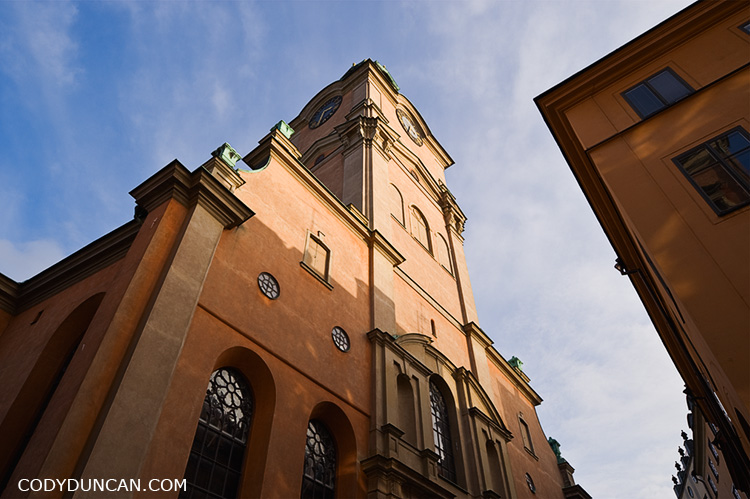
Storkyrkan in the old town, Stockholm, Sweden

So the summer started.  We headed generally north through Sweden and into Norway. We ended up in some real shitholes of towns as well as some cool places. Mostly we traveled by pure dumb luck of two 20 year olds, not having a guidebook or anything for help.

By the end of July we ended up in Göteborg, a city down on the south west coast of Sweden.  By this time we felt like veteran travelers.  We knew that you had to get on the correct ‘wagon’ when taking the train, otherwise if you just sat in a seat with your number on it, someone else might show up looking to sit there at the next stop.  We could hop on the city trams like a local and navigate the streets with only minor episodes of getting lost.  We could catch ferries out to cool little islands, being the only non Swedes around.  My Swedish had improved to 10 words and I actually knew how to say ‘Hemköp‘ correctly.  Life under the long summer days was good.  So the decision was finally made, Stockholm.

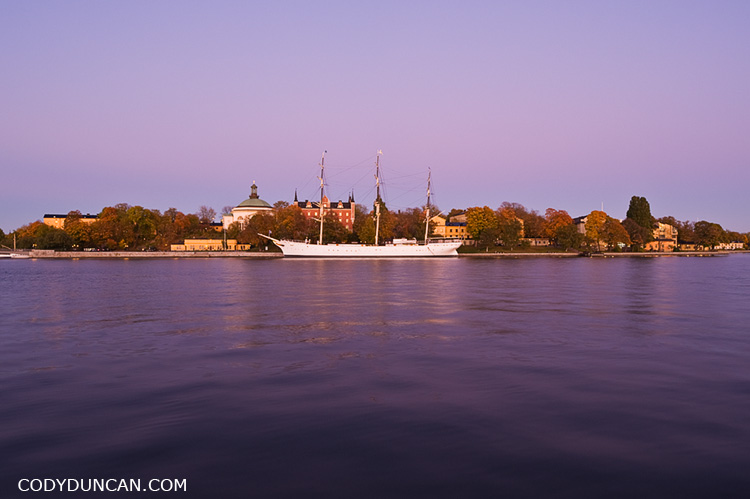
Historic ship AF Chapman at Skeppsholmen, Stockholm, Sweden

Now, to cut a long story shot, I loved Stockholm and ended up spending nearly two weeks there all in all.  Normally, and even to this day, I’m not much of a fan of cities.  But Stockholm, well, It is such a cool place that I can’t help but like it.  I spent endless days just wandering among the narrow streets of Gamla Stan or out on the wilds of Djurgarden.   Afternoons sitting in Cafe’s or eating ice cream with new friends on warm summer evenings.  I guess it’s good that I put of Stockholm until the end of the trip, otherwise I may have just been lazy and sat there for 2 months…

I finally returned again in October 2009, the streets still familiar in my mind like I was just there the month before.  The crisp autumn days and colors turned the city into a near magical place.  As much as I liked the summer, I now think autumn is the time to visit.

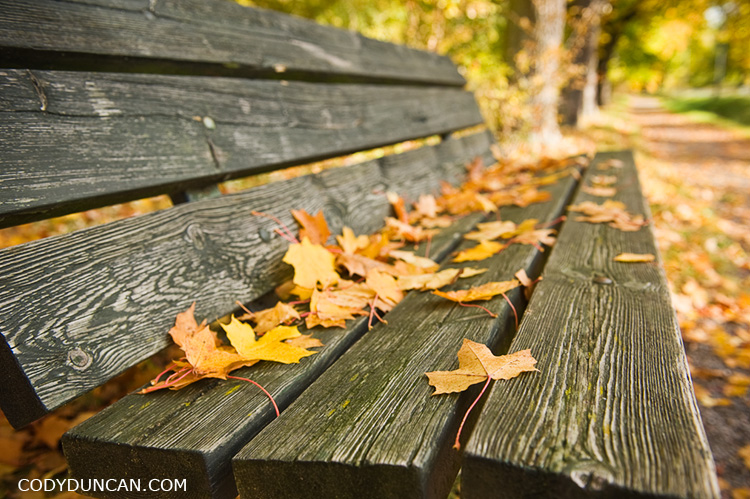
Wooden park bench with autumn leaves

Mount Whitney Mountaineers Route

Adventure travel stock photography - View from tent to Mount Whitney, California

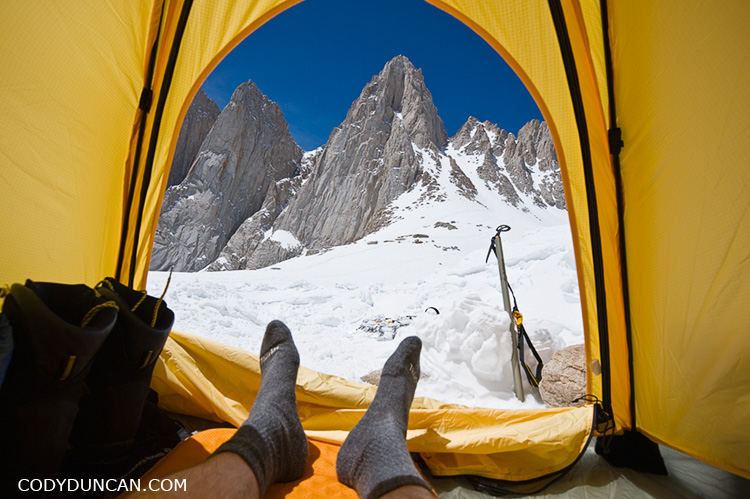
View from my tent at Iceberg Lake, about 12,600 feet, towards the east face of Mount Whitney (and my smelly socks).

Sort of at the last minute I decided to make a quick trip up Whitney this past weekend before all the snow melted and before I leave California again (somewhat soon).  Weather was sunny the whole time but the winds were quite strong.  I’d estimate it reached 60+ mph on Sunday when I was on the summit.  I didn’t even bother bringing the camera out as there was so much snow flying around.  On the way up, whenever a big gust would come up, I would just have to lean into the mountain as I received a battery of snow and ice and rock for a minute or two, then climb on again. Good fun.

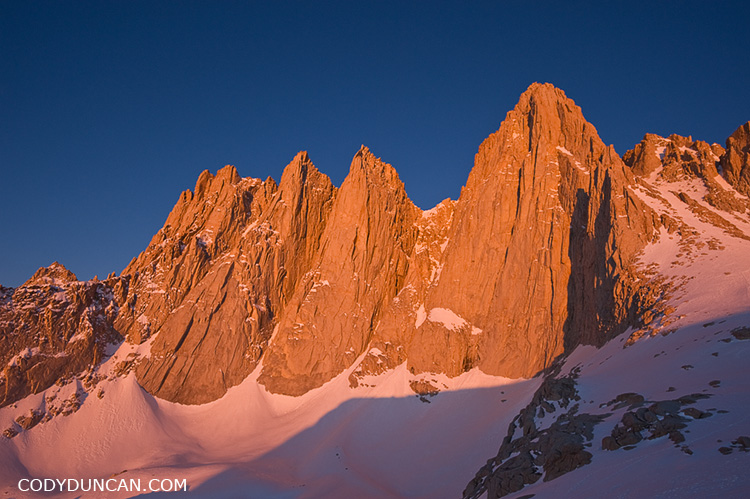
Mountain landscape photography - East face of Mount Whitney sunrise


Mount Whitney Mountaineers Route – Images by Cody Duncan

Kirk

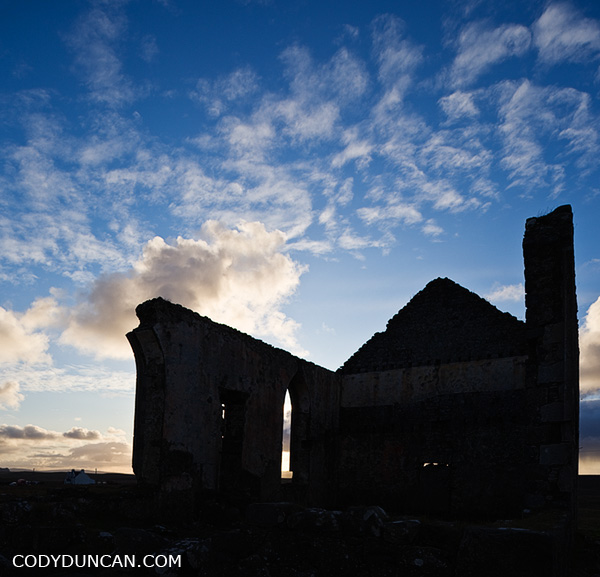
Church ruin, Kilmuir, Isle of Skye, Scotland

Church ruin, Kilmuir, Isle of Skye, Scotland.

I’ve no idea of the history of this ruin.  Though by the looks and condition of it, I wouldn’t imagine it to be more than 200 or so years old, which is relatively new by Skye standards. It’s a big structure, offset from the ‘highway’ by about a half mile or so.  Perhaps it simply fell out of use with time and population decline.  Now only sheep and cows walk among the walls, and American photographers.