Prints

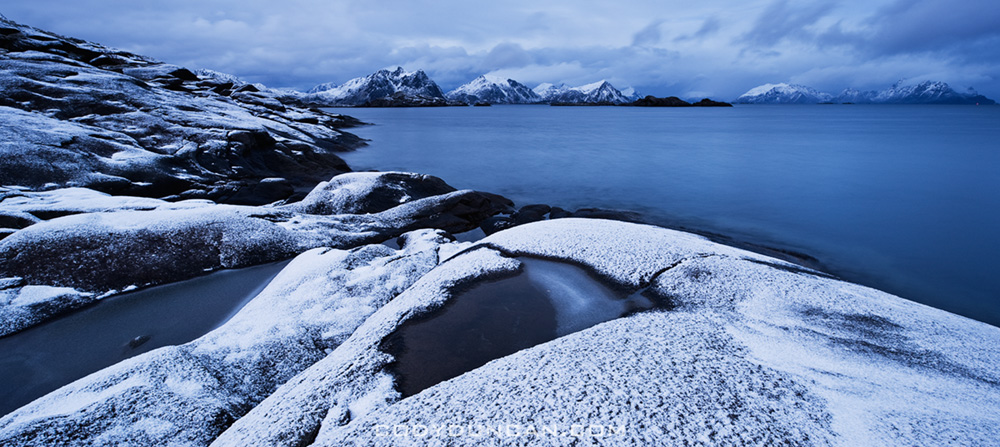
Haukland Beach, Lofoten Islands, Norway

Photo: Frozen tide on Haukland Beach in winter, Lofoten islands, Norway.

I’m pleased to announce that I now have a number of my images available for purchase as prints.  It is only a small number for now, but I will be adding new images in the following months.  I’m also open to requests, so if there is anything in particular you might be looking for, let me know.

CLICK HERE to view my print gallery

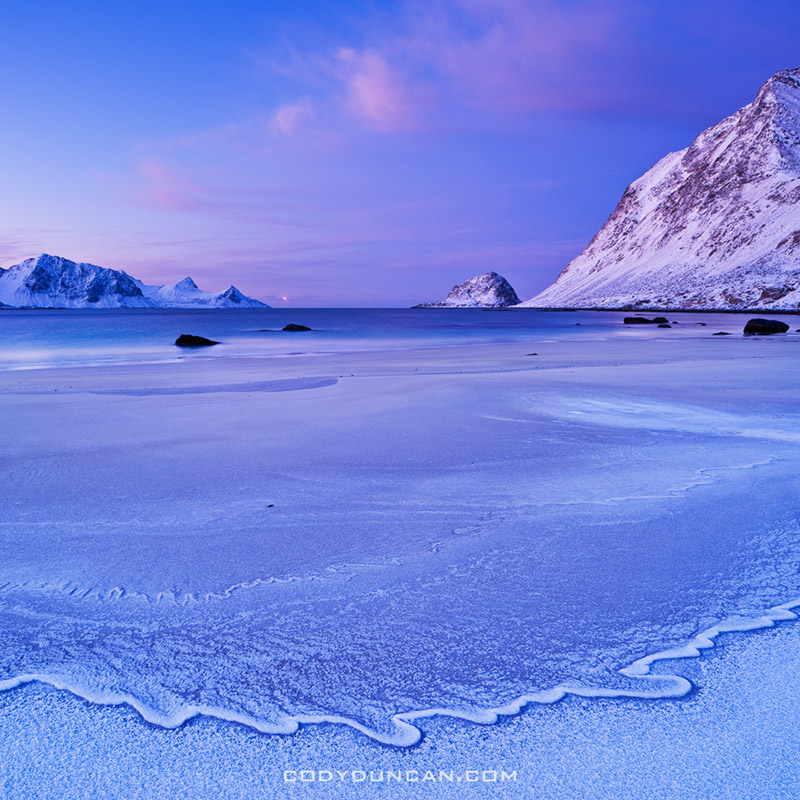
Camera Gear for European Backpacking Trip

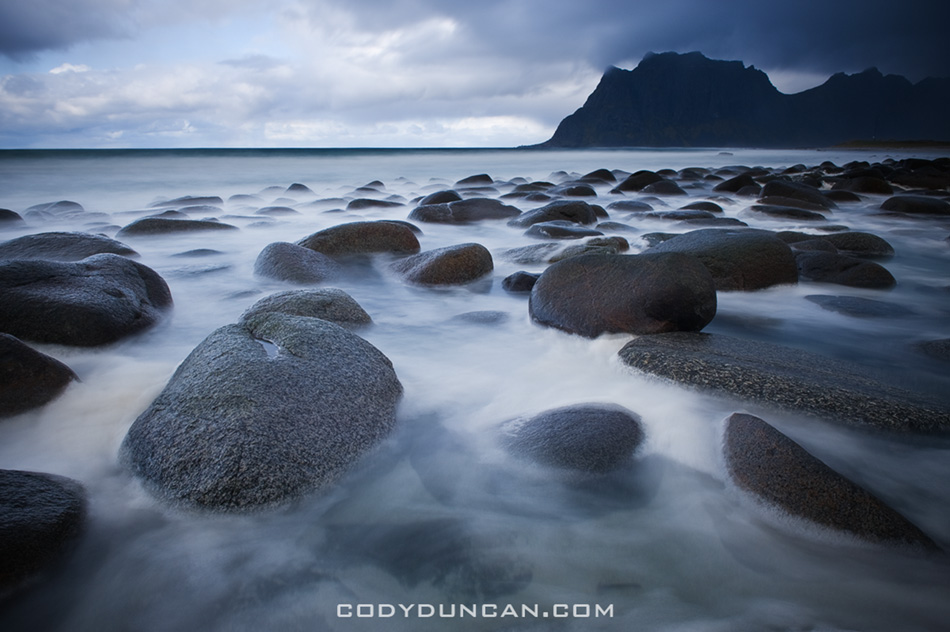
Utakleiv, Lofoten Islands, Norway

Photo: Utakleiv, Lofoten Islands, Norway

Yesterday I wrote about my backpacking gear for my next Europe trip.  Today is a bit of my thoughts about the camera gear that I’ll carry.  My overall ideal is to travel as light as possible, while still having enough tools to get the shot.  It is something I struggle with and am not perfect at.  I find myself wanting to take an extra lens ‘just in case I might need it,’ even though most times I wont.  Do I need a 50mm 1.4 for low light? Do I need an 70-200mm if I see some cool animal?  Yes and no.  I could easily end up carrying so much that I’ll never make it out into the wilderness to see that animal, or I’m too tired to keep walking around the streets of the old town for that nice evening light.  I need to accept the idea that I don’t need to, and can’t, take photos of everything.

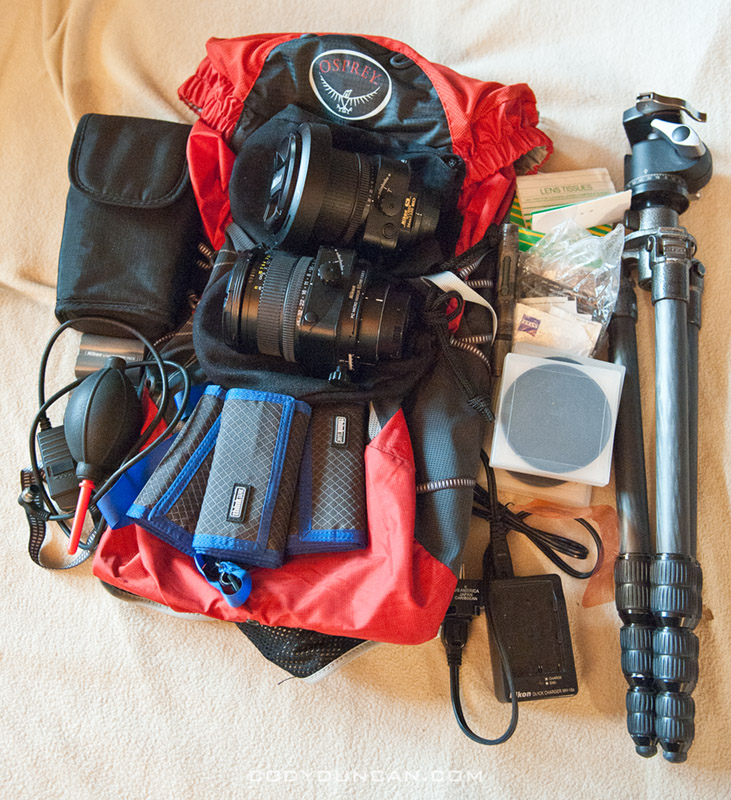
Camera: Nikon d700
24-70 f2.8 lens
24 f3.5 tilt-shift lens
85 f2.8 tilt-shift lens
SB-800 strobe
Neutral Density filters: 6 stop B&W, 10 stop B&W
Polarizing filter
UV Filter
Flash Cards: about 120GB
Cable release
Lens pen
Battery charger
Zeiss lens wipes
Lens tissue

I’m trying to keep my gear to a minimum on this trip.  I’m not really an ultra-wide shooter, so 24mm on full fame is generally wide enough for me.  I’m also not bringing a telephoto either, as it’s just heavy and I tent not to use it all that often anyhow.  Will I miss some shots by not having everything from 14mm to 200mm? Yes, not doubt.  It is simply the trade off that must be made.  If it was a shorter trip to one specific location, I might take a bit more, but for traveling for 2.5 months, less is better after a while.

Some might wonder why I’m taking the 24mm tilt-shift when I already have something at 24mm.  Mostly this is personal preference in that I’ve come to find 2/3 format to have something missing.  So with the tilt-shift I can shoot square or pano format with relative ease and not also have to carry special pano gear.  And by shifting the 24mm t/s, I can get a bit wider if I need to.  And it is also helpful for a bit of perspective control while shooting in narrow European streets and alleys.

The ND filters are absolutely necessary for the images I envision, most especially for the Lofoten Islands.  They bring out a presence and atmosphere of the islands that is otherwise difficult to find.  I used to keep UV filters on all my lenses, but I gave this up some time ago as I spent too much time taking them off and putting on the ND’s.  I do carry one though incase I need to shoot in heavy sea spray and I don’t want my lens to get overly soaked.  I’m not really sure why I carry a polarizer, as I hardly ever use it, but it comes in handy sometimes.  I generally don’t use microfiber lens cloths, as they just get too dirty and greasy after a while, especially if wiping salt water.  Disposable tissues in combination with the Zeiss disposable wipes is the best combination for crappy weather that I’ve found.  And I like clean lenses.

Tripod: Gitzo 1128 carbon fiber
Ballhead: Really Right Stuff BH-40,  plus L-plate on camera

I have a lighter tripod and ballhead, but as I’ll be in low light with bad weather a lot of the time, I need something a bit more sturdy.  If it was just a short trip, I would bring an even bigger tripod/ballhead, but I can’t really justify it for months on the road.  I’m a big fan of the Really Right Stuff gear, plus they’re just up the road from me.  The BH-40 is the best in function, strength and weight that I’ve found.

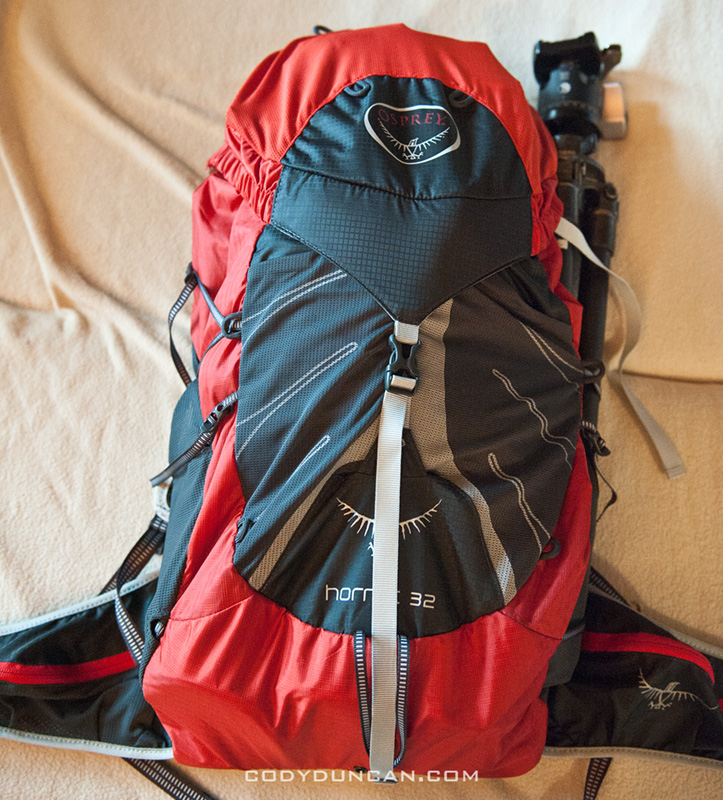
Backpack: Osprey Hornet 32  – 21 oz. (600 g.)

Yesterday I also mentioned my preference for using a normal hiking daypack over a camera specific backpack.  It’s not as convenient as a photo bag, and can take a bit longer to dig around for gear of find lenses, but at the end of the day, the benefits outweigh any drawbacks.  Or at least for me.  Again as with my lens selection, this is a purely person preference for how I like to travel.  This will be my first trip with the Osprey bag, but it feels pretty good loaded up.  Years ago, I had an old Mammut bag that was super light and perfect for travel.  It suffered 2.5 years of abuse before the bottom finally started giving out and I had to put it into retirement.  And I really put my gear through a lot.  While traveling my backpack is with me 24/7. It showers with me, sleeps with me, is in the hostel kitchen with me, sits next to me at the pub or on the train, and is always on my back while walking around or hiking.  My gear back basically becomes an extra body part.  For the last couple years I haven’t found a bag that was as good as the Mammut in overall function; most are either a bit on the heavy side or too flimsy.  The main problem with finding a light bag is that I need them to have a good hip belt.  The ultralight bags usually are lacking in this regard and the bags with decent hip belts tended to be a bit heavier.  The Osprey comes in pretty good in this area.  My only real critique is that the the top of the bag is some thin netting material, so I’ll have to take a bit of extra caution to keep things dry while in drizzly, rainy weather.   It could also have two Ice axe loops as well, so it probably wont be that good as a climbing bag.


Hiking and Travel gear for Lofoten Islands and European Backpacking

I sometimes get asked what gear I carry while traveling, so here’s a list of what I’m taking for 2 1/2 months of travel in Northern Europe from late September till mid December. Ideally I could carry a bit less and travel lighter, but having to carry gear both for camping in the Lofoten Islands and hanging out in Czech cities inevitably leads to some inefficiencies. Normally for a hiking trip, I would not carry anything that I don’t need every day. For mixing Norwegian camping and staying in hostels, this concept doesn’t work especially well. But here it is anyhow. Tomorrow I’ll write about camera gear.
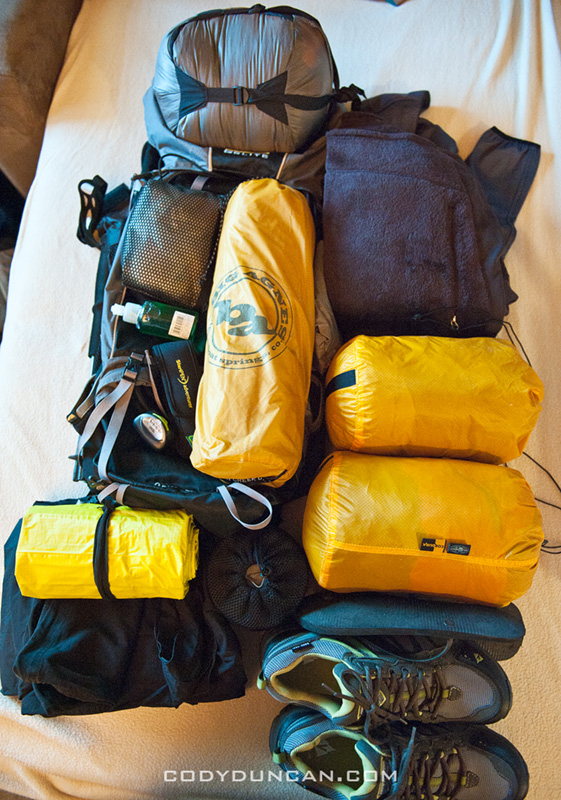
Backpacking gear


Backpacking gear:
Backpack: Golite Odyssey, 90L (5490 in^3) – 47 oz.
Sleeping bag: REI Sub Kilo – 31 oz.
Pad: Thermarest NeoAir – 13.6 oz.
Tent: Big Agnes Fly Creek UL1 – 37 oz.
Stove: Primus TiLite + Titanium pot (.9l) – 9 oz.
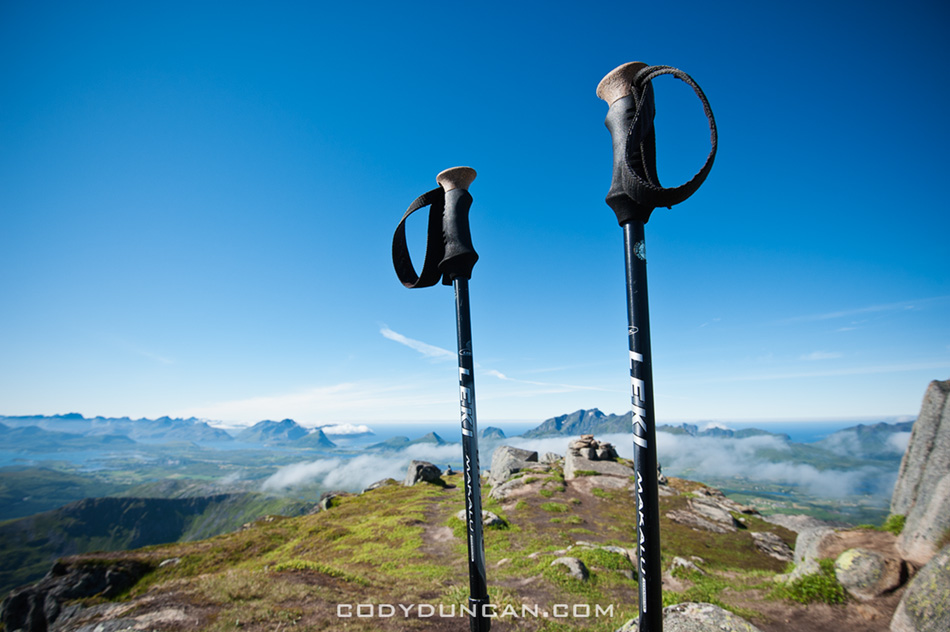
Trekking poles: Black Diamond Ultra Distance 10.5 oz. (pair)
Water Purification: Steripen Adventurer – 4 oz.
Total weight:  9 lb. 7.5 oz.  (4.2 kg.)

Gear wise I have to make some small concessions for both cold temps and saving space, so I’m not very close to being ultralight on this trip.  For spring/summer/autumn, a 0˚ C sleeping bag would save some weight.  But from the experience of a night in the mountains on the Swedish – Norwegian border in October a couple years ago, a warmer bag is definitely a safer and more enjoyable option. On the other hand, I’m sure I’ll roast in a few hostel dorms where the punters like to shut all the windows and turn it into an oven of hot stale air and a crescendo of snoring.  On just a hiking trip, I would probably switch the NeoAir pad for a light weigh foam one to save a few ounces.  But foam pads are big and I hate having a bunch of crap strapped to the outside of my bag while walking around cities or hopping on trains.  Plus the NeoAir is way more comfortable anyhow.  Tent is about as light as there is, unless going for a tarp, but when I have to guerrilla camp in sometimes not-so-legit places, I prefer a bit more privacy/protection of a tent.

For staying in cities/hostels, all the camping gear is basically dead weight and unnecessary.  Though generally it’s not a far walk from the train station to the hostel, so it’s not really a problem.  Maybe it’s more of a self-conscious thing; me with a huge old bag and others with small tiny bags of just clothes (and shoes for the stylish peoples).  I always get some weird looks when I have to pull out my tent and dry it over my bunk while everyone else in the dorm is getting fancied up for a night on the town.

Clothing:
Base layer: Patagonia R2
Softshell: Fjalraven
Insulation: Mountain Hardwear Compressor
Shell Jacket: Golite
Shell Pant: Marmot Precip
Pants: MEC lightweight softshell,  REI medium weight soft-shell
shorts
3x t-shirt: 2 cotton, 1 synthetic
3x socks
3x underwear
Gloves
sandals (for hostel showers)
Shoes: Vasque Goretex lined trail runners
Clothing (carry weight):  4 lb.  11 oz. (2.1 kg.)

Again, due to traveling in autumn/winter, I have to pack a bit heavier in the clothing department in preparation for colder temps.  I’ve also had to do a bit of a compromise to cover both hiking and city/hostel life.  If it was a purely hiking trip, I would go a bit lighter with the insulation as I can hike in a light jacket or fleece into below zero temps as long as I’m moving.  But for wandering around cities on a crisp autumn day, I’ll need a bit more insulation.  I chose a hooded softshell jacket over my all time favorite jacket, the Marmot DriClime windshirt, as it fits better with a heavier base layer, the Patagonia R2 jacket.  I figure I’ll have both jackets on pretty much anytime I’m outdoors, so the extra weight shouldn’t matter too much.  While hiking, I shouldn’t overheat too bad in the softshell alone.  I might ditch the rain pants, as I don’t like hiking in the rain anyhow, and with a second pair of pants, if I do get too wet, I can change once at camp.  I carry a super lightweight rain jacket over something a bit heavier that I would wear instead of the softshell as I simply can’t stand wearing hardshell jackets, and will only put one on in a heavy downpour.  I hope I haven’t made a mistake taking trail runners over light boots, but I think I’ll be fine.  Only if there is a considerable amount of fresh snow will it be an issue, so I might run into some problems in the high Tatra mountains, but otherwise, there shouldn’t be too much snow around by mid December (hopefully…).

Other items:
Knife
Headlamp: Petzl Zipka2
Rain cover
Towel
Toothbrush/paste
Biodegradable soap
Earplugs
Hand cleaner

If I wasn’t a photographer, my backpack is actually not too bad for over 2 months of autumn/winter travel mostly in northern Europe.  Next comes the heavy stuff: my camera gear.  Which while I’m trying to pack fairly light and only take a few lenses, it definitely adds some pounds to the backpack.  I’ll talk more about how I carry my camera gear tomorrow.  But basically I keep everything in a normal hiking daypack which can fit inside my larger backpack, as opposed to having a dedicated photo type backpack.  I’ve found this to be a good system in several ways: First, it easily fits inside my larger bag, so while hiking everything is in the one bag and depending on conditions, I may or may not carry my camera in a chest case.  I generally find most photo backpacks to be large and bulky compared to the inside space.  And most aren’t compressible at all due to the thicker padding, so I can’t sort of fold them up to fit is space gets a bit tight.  Second, a hiking daypack is going to be a fair bit lighter (mine is 21 oz. – 600 g.) backpack.  Next, it’s a relatively discreet looking ‘normal’ daypack when walking around cities, nothing that says ‘expensive camera gear inside.’ (and after a few months on the road and the bag gets some nice faded colors going, really looks ghetto then).  It’s more practical for going out on day hikes or short mountain adventures.  Finally, it’s more comfortable to sleep with in hostel beds (yes, I sleep with my backpack). There’s probably a few other benefits as well that I might think of by tomorrow.  But for the benefits gained, I also loose a bit of ease of function with a dedicated photo bag and it’s a bit harder on my gear.  And there are a few companies making photo bags for more adventurous photographers in mind, so I might take a look one of these days and see if there’s anything I could be interested in.

Europe Travel Plans

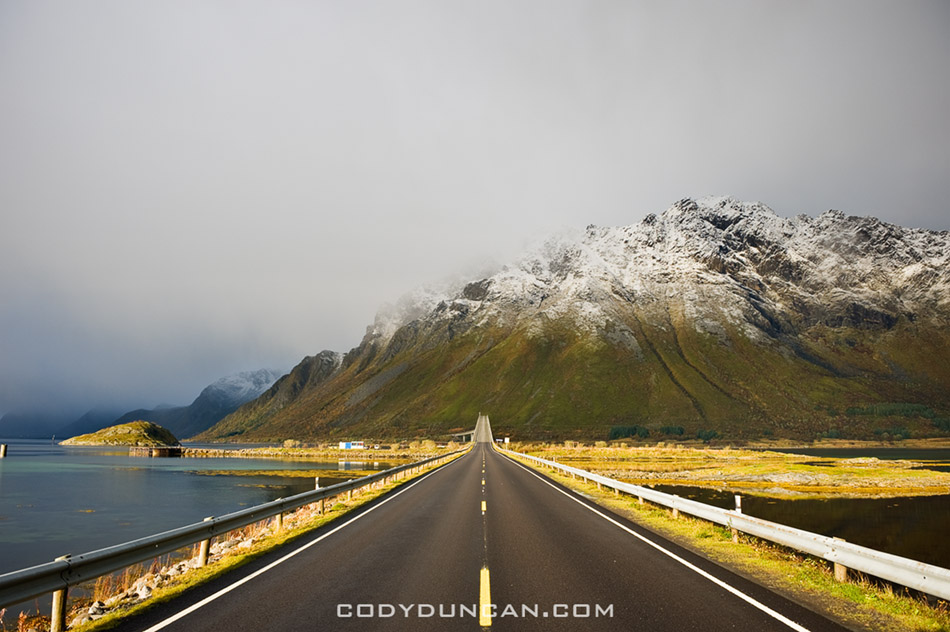
Lofoten norway E10

Photo: Highway E10 towards Gimsoya, Lofoten Islands, Norway.

I’m heading out of California in another week and a half.  First is a quick two nights in Wales before flying to Norway.  I’ll be on the Lofoten islands from Sept 24th until Oct. 10th.  I’m very much looking forward to Autumn color and I hope the weather cooperates.  I also have a bit of work to do in seeing if it is at all possible for me to rent a flat so I can carry forward with my business plans.  Anyhow, I’m hoping to stand on a few mountains and maybe a night or two at Bunes or Kvalvika.  Otherwise, the warm cozy comfort of the Stamsund Vandrerhjem will be my main base.  I can’t say how nice it is to sit besides a warm fire and watch the snow fall outside, much better than a tent.  Maybe I’m getting lazy with age.

After Lofoten my plans get a bit fuzzy.  I’ll travel overland to Stockholm, but if the conditions are good, I might hang out for a few days around Östersund and central Sweden.  I remember seeing brilliant color a few years ago while I was sitting on the train, so I’ll probably try hitching this time to give me a bit of flexibility.  Also, I’ll carry a -11˚ C sleeping bag this time, I’m not interested in repeating a night at -14˚ C in my old 0˚ bag which is probably closer to 8-10˚ C in comfort level these days.  Not much fun and not much sleep.   From Stockholm, depending on conditions, I’ll either travel to Helsinki and then south through the Baltics to meet a friend in Poland at the end of Oct.  Otherwise I might do some island hopping on the Swedish west coast an then visit some friends in north Germany before heading to Poland.

If the weather holds out in Poland, hopefully I’ll have a few days in the Tatry mountains and try and hike up Rysy, the highest mountain in Poland.  From there I’ll head towards some old favorite places like Olomouc and Cesky Krumlov in the Czech Republic and maybe down to Budapest and Vienna.  Towards the end of November I’ll be back in Germany and hopefully catch a few Christmas markets, which maybe I’m a nerd, but I think are pretty cool, or at least for photos.


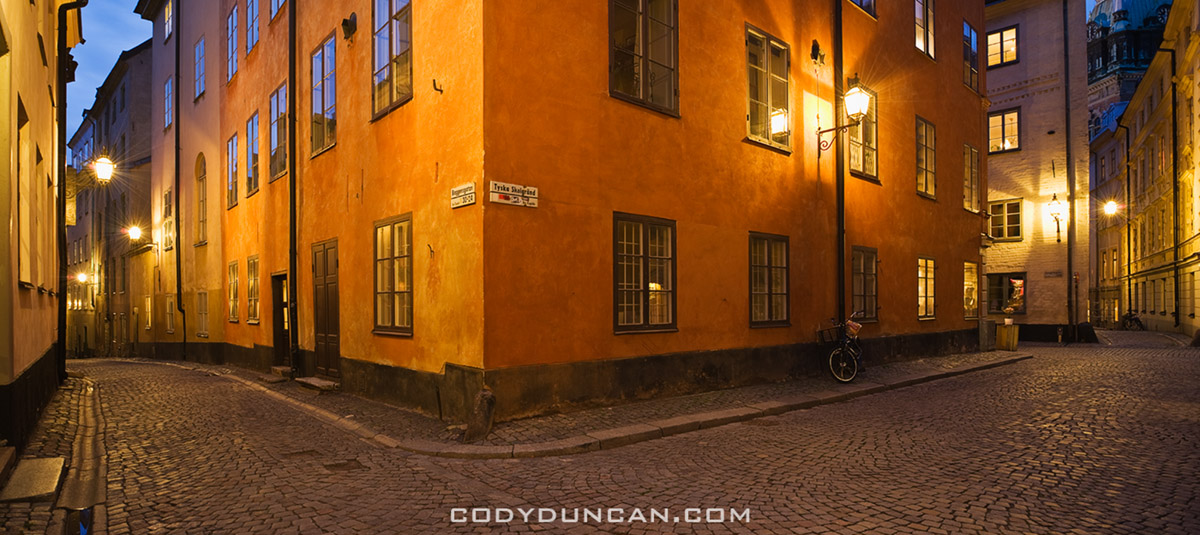
gamla stan, Stockholm, Sweden

Photo: Cobble stone streets, Gamla Stan, Stockholm, Sweden.

Making Plans for Europe

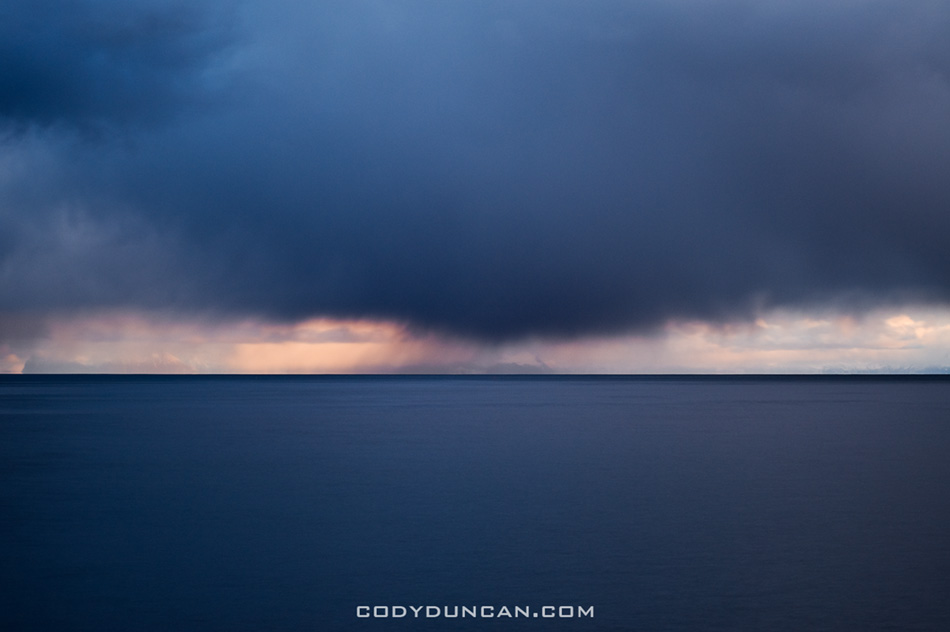
Autumn storm clouds over Vestfjord, Lofoten islands, Norway

Photo: Autumn storm over Vestfjord, Lofoten islands, Norway

For whatever reason, it’s been a pretty stagnant and boring summer (and year for that matter) for me so far.  I’ve hardly been able to get out of Santa Barbara and other than a few commercial assignments, I haven’t even touched my camera in months.  I’ve been trying to put something together for several months now, but I always seem to run into some sort of setback..  Finally now it seems I have somewhat of a haphazard travel plan materializing.

With Luck I should be back on the Lofoten islands around the last week of September.  It’s not exactly under the conditions I had hoped, to move there with a work visa.  But if I can manage to find a flat to rent, at least I’ll be able to continue with the application process.  If not, it might just forever remain an unfulfilled dream.  I know its a bit late in the year and I’m hoping autumn waits for me, but other engagements keep me here until then.  I had also hoped to hike another section on the Kungsleden or perhaps wander around Sarek national park in Sweden, but that will have to wait another year unfortunately.  So I’m looking at some other hiking options that I might be able to manage in October.  Been thinking about maybe crossing the High Tatra mountains from Slovakia to Poland, or perhaps something in Austria or Switzerland.  I Mainly just have to see how early the snow arrives and decide from there.  Otherwise I think I’ll pay another visit to Stockholm on the way down from Lofoten and maybe Copenhagen.  Then visit some friends in Germany and perhaps some old places in Czech Republic that I really like.  Hopefully I’ll catch some Christmas markets before going to Wales in early December or so, where I’ll stay a few more months.   As much as I seem to travel, it’s really been over 4 years since I did any proper ‘backpacking’ in the Euro sense of the word: hostels, trains, buses, hitchhiking, cities, etc.  I almost feel a bit nervous about it.


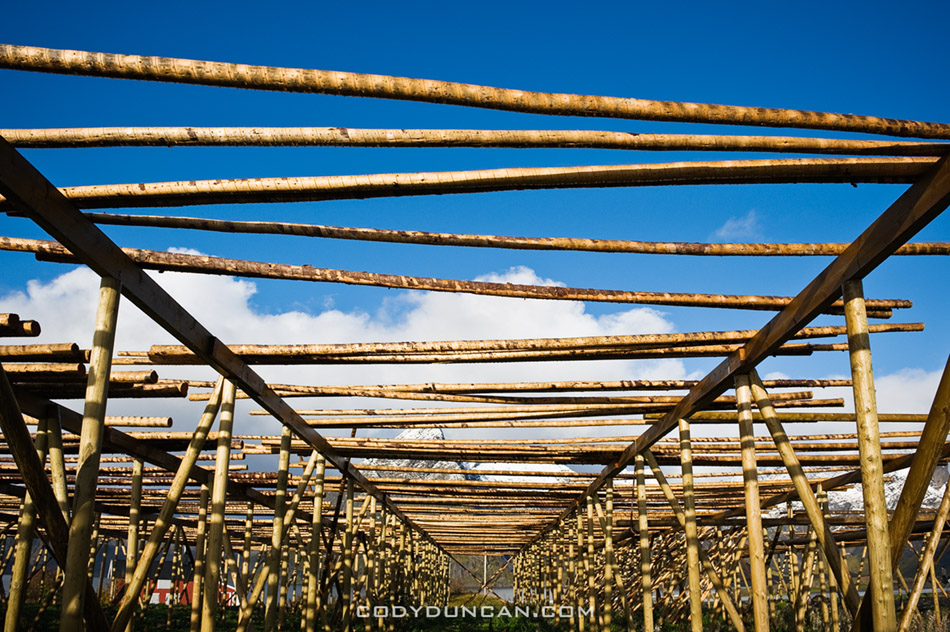
Empty stockfish drying rack, Lofoten islands, Norway

Photo: Empty stockfish drying rack, Lofoten islands, Norway

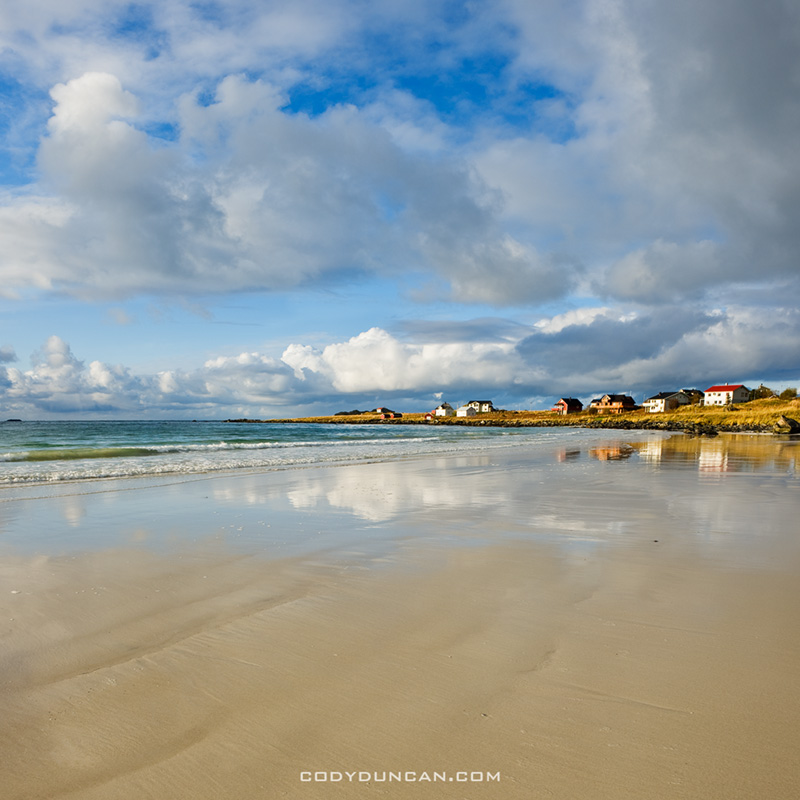
Scenic beach at Ramberg, Flakstadoy, Lofoten islands, Norway

Photo: Scenic beach at Ramberg, Flakstadoy, Lofoten islands, Norway

Snow covered rocky coastline at Stamsund, Vestvagoy, Lofoten islands, Norway

Photo: Snow covered rocky coastline at Stamsund, Vestvagoy, Lofoten islands, Norway

Business Plan for Norway

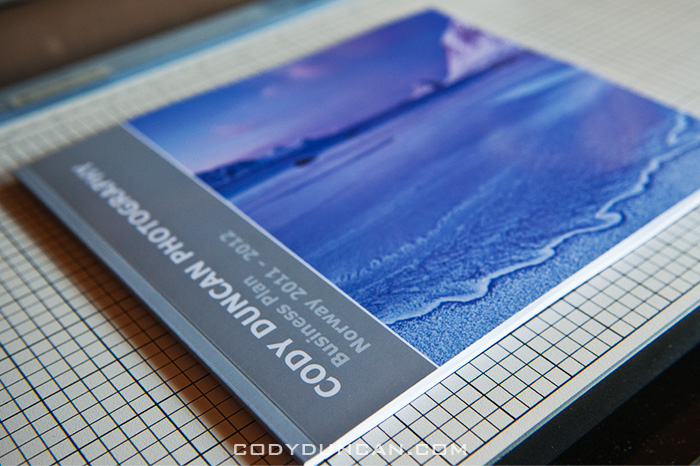
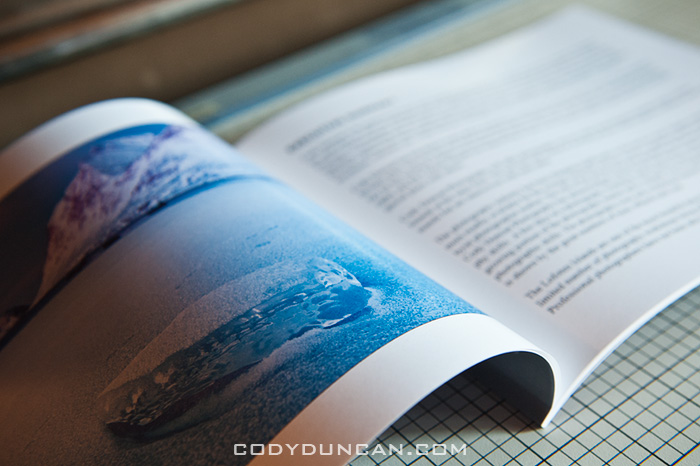
My business plan that I wrote to apply for a Norwegian self-employed person visa arrived in the mail today.  I’m not the best at writing these things, so it took most of attention during July (the reason the blog was a bit quiet).  Not to mention I had to re-learn InDesign for making the layout, I guess I didn’t remember much after not using the program for 6 years.  As the business will be photography, I had it printed as a book, 28 pages total, from Blurb.com

My Plan is to start photography tours and workshops on the Lofoten islands, as well as live there.  I’m also going to work on a book that covers a year on the islands.

I only have one problem.  I can’t apply for the visa yet as I don’t have a residence in Norway.  But to get a residence in Norway, you sort of need to be allowed to live in Norway.  No one is likely to rent to me on a 3 month tourist visa.  And I have to apply for the visa from here in California, which can take 2-3 months to process.  And even if I managed to somehow find a place in Norway there’s no guarantee I’ll get the work visa anyhow, so it could end up just being a big waste of money, which I don’t have enough of to waste.  It’s all a big frustrating circle.  I called the Norwegian consulate to try and get some answers, but they weren’t especially helpful.  I actually got the feeling that she thought I was rather stupid for even trying.

I’m not giving up until I get a definite ‘no’ for an answer though.  And if I do, I’ll re-organize and apply again, and again, and again…  I figure that after a few years they’ll get so tired of hearing from me they’ll just let me in so I go away!

I’m thinking of heading to Lofoten in Sept./Oct. to take a look around and see if I manage to come up with any solutions.


Lofoten Islands Hiking

Reinebringen view Lofoten islands

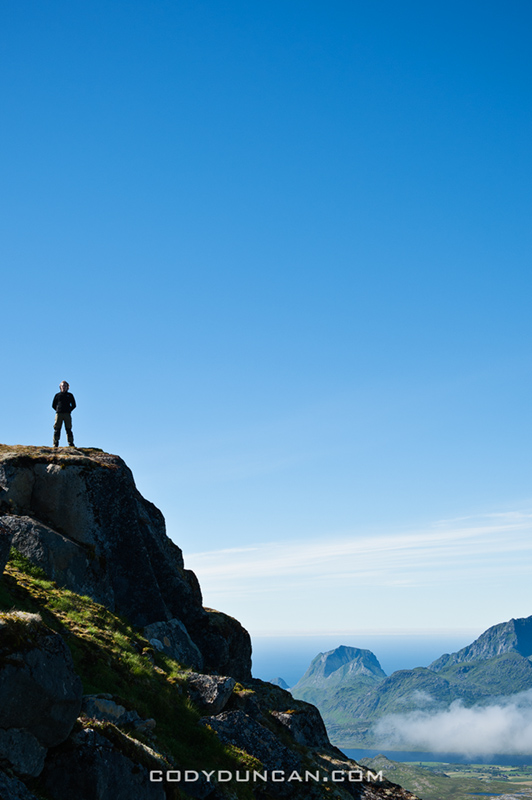
Photo: View from Reinebringen, Lofoten islands, Norway

I’ve written several post about mountain hikes and camping on the Lofoten islands, but they’re a bit scattered across my blog at the moment so I putting links to them all here in one place.

Reinebringen hiking and info: CLICK HERE.  Reinebringen trailhead is located near Reine, on Moskenesoy.

Justadtinden hiking and info: CLICK HERE.  Justadtinden trailhead is located at Hagskaret, between Leknes and Stamsund on Vestvagoy.

Steinetinden hiking and info: CLICK HERE.  Steinetinden trailhead is located in Stamsund, on Vestvagoy.

Bunes Beach camping and info: CLICK HERE.  The ferry to Bunes Beach is located in Reine, on Moskenesoy.


Justadtinden Lofoten islands

Photo: Summer afternoon on Justadtinden, Lofoten islands, Norway


Lofoten islands hiking Justadtinden

Photo: Saviors of my knees, Justadtinden, Lofoten Islands, Norway

Unstad Beach Lofoten Islands

Unstad Beach Lofoten Islands

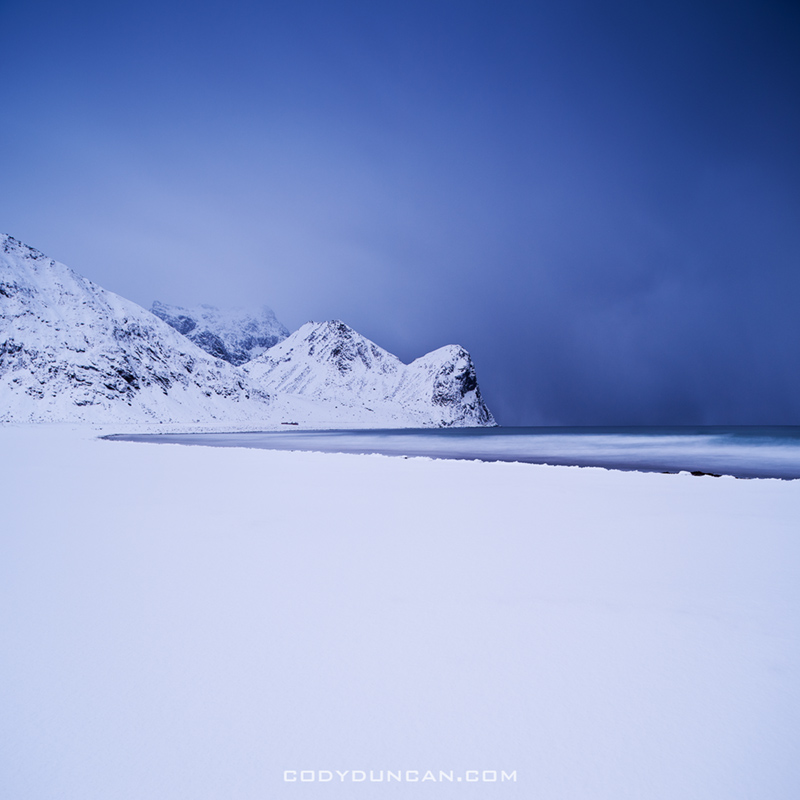
Photo: Snow covered Unstad beach, Lofoten Islands, Norway

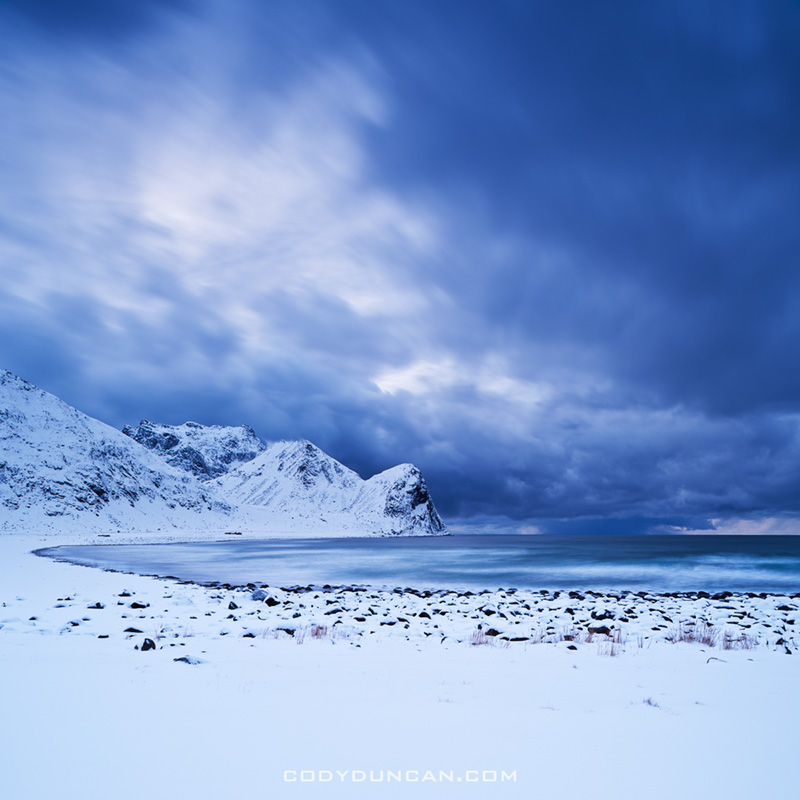
A hunch, as well as some minor understanding of Lofoten weather patterns (if such a thing can exist) led me out a of a never ending snow storm to the relative calm at Unstad.  The light was nearly gone from an already short January day, but there was enough.

Unstad Beach Lofoten Islands

Photo: Storm clouds over Unstad beach, Lofoten Islands, Norway

Lofoten Islands Winter Sunrise

Lofoten islands norway winter sunrise

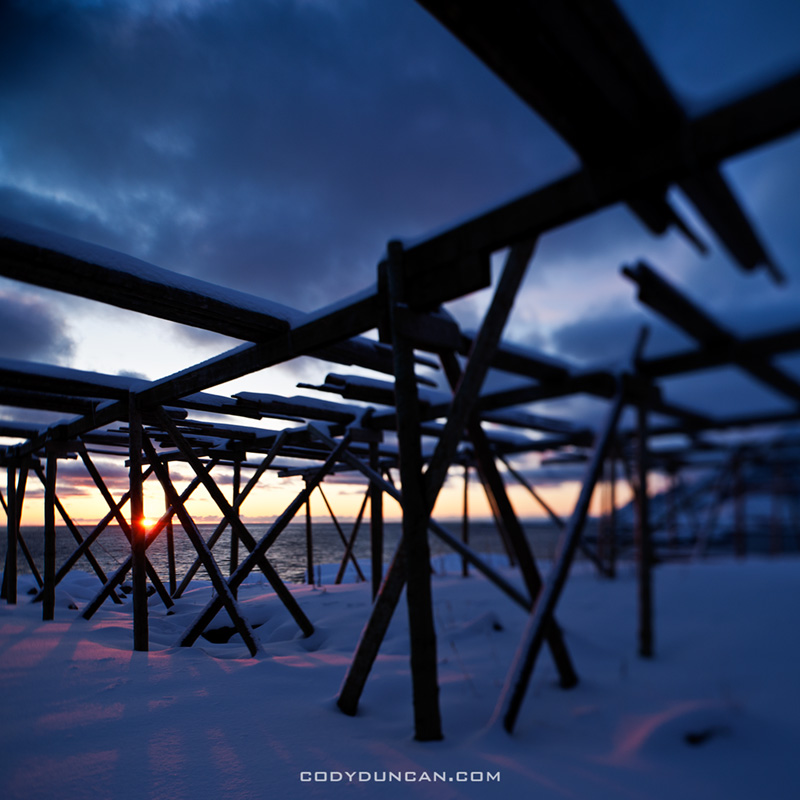
Photo: January sun shines through empty stockfish racks, Lofoten islands, Norway

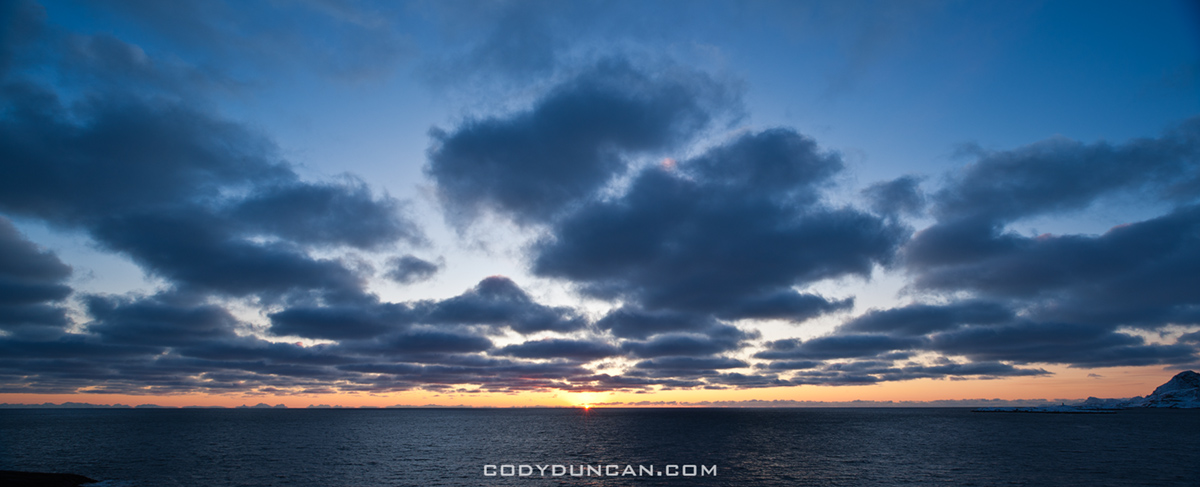
These two images are from the 6th of January, when the sun does not fully rise above the horizon on the Lofoten islands.  Normally we’re used to sunrise in the east, sunset in the west.  However, north of the arctic circle, this isn’t really true.  In winter, the sun rises and sets towards the south, where as in summer, it sets towards the north.  In relation to this is that the sun travels much more parallel in relation to the horizon – I wont go into the numbers right now, maybe some other time I’ll bring out the astronomy nerd in me.  So, the result of this for the viewer, or photographer, is that the sun appears to rise and set very slowly.  Or in more practical terms, sunrise/sunset lasts a lot longer that here in California.  On the case of the 6th of January, the sun travels along the southern horizon for about an hour before disappearing once more.  Yep, that’s it, 1 hour of sun for the day.  Just a few days previous, New Years for example, there is no sun at all.  Though it is not far below the horizon, giving a magical twilight light if the skies are clear.


Lofoten islands norway winter sunrise

Photo: January winter sun on horizon over Vestfjorden, Lofoten islands, Norway.

Ågvatnet – Å I Lofoten Norway

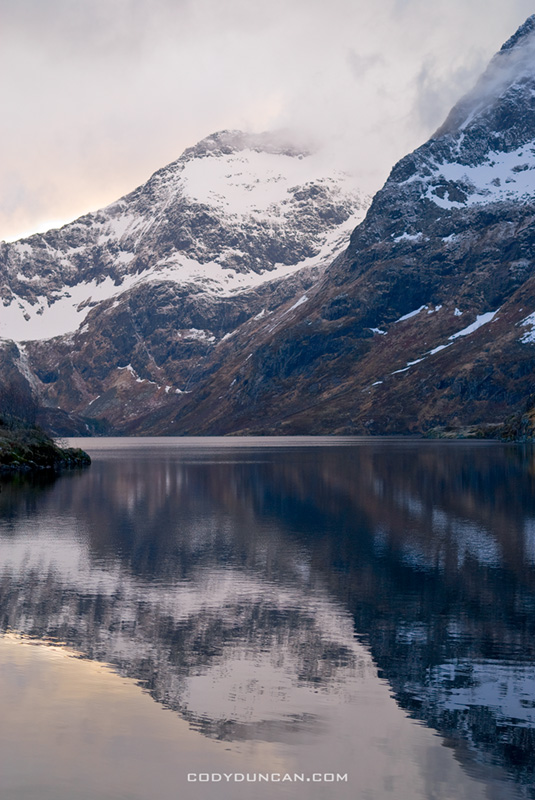
Ågvatnet lofoten islands norway

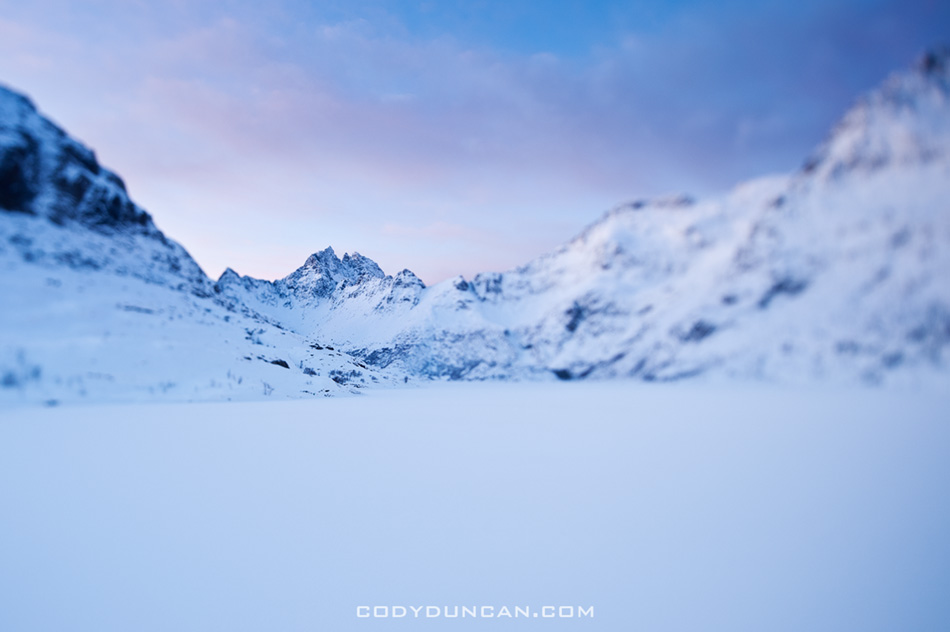
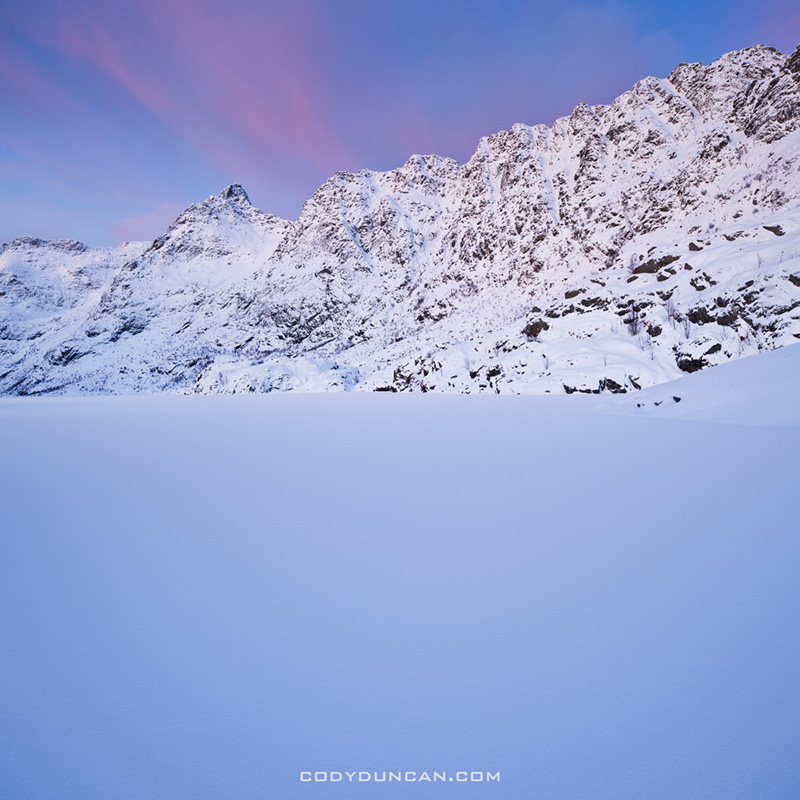
Photo: Ågvatnet cloaked in winter snow.  Jan 2010

In my last post I wrote about returning to Ågvatnet to try and make a ‘better’ version of a photo that I like very much, and was good for a 20 year having only ever taken a high school photo class, but by today’s standards is a bit lacking.  Ågvatnet is the small lake behind the village of Å I Lofoten, which is the westernmost village, and end of the road, in the Lofoten islands.  It can be a gnarly tourist trap in summer  – the road ends in a parking lot after a 1.5 lane tunnel and it can be stuffed to the brim with motorhomes on a nice July afternoon.  So I usually avoid the area at this time of year.   Though that being said, I’m not usually on the islands in the summer anyways.

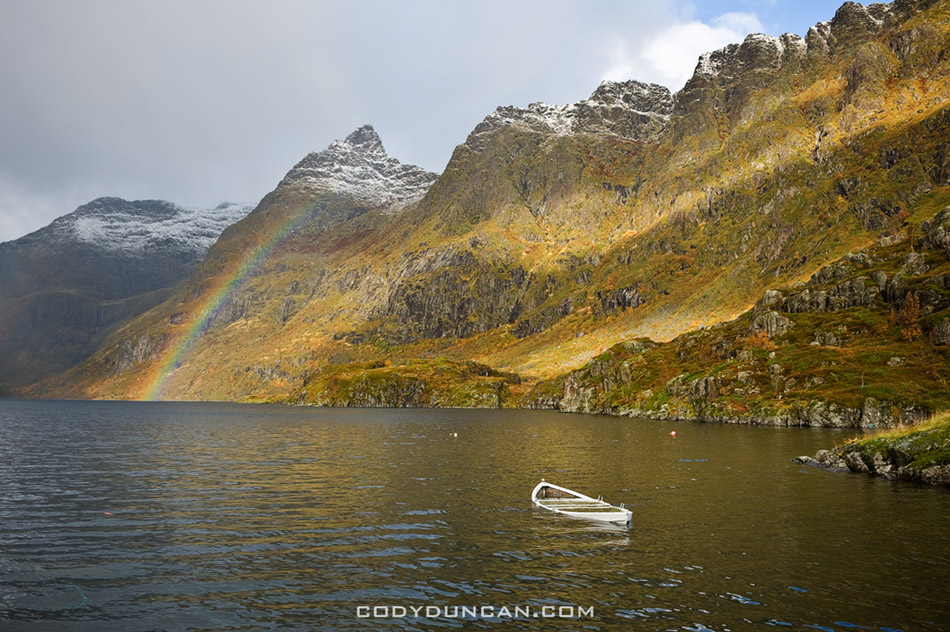
Anyhow, here’s a few images of the lake during other parts of the year: winter, spring, and autumn.  The autumn image is the closest I’ve come to my first photo, yet as you can see the boat is not exactly in top form.  The Rainbow towards the left of the image is from the rain that would soak me in another minute.

Ågvatnet lofoten islands norway

Ågvatnet lofoten islands norway

Ågvatnet lofoten islands norway